Is a Brake Fluid Flush Really Necessary? A Brake Repair Guide for Winter Gardens Drivers
Brake fluid is one of the most overlooked fluids in any vehicle, yet it plays a direct role in stopping power and brake repair health. This post explains what brake fluid does, why it breaks down, and why drivers in Winter Gardens, CA, may want to pay closer attention to flush intervals.
What Brake Fluid Actually Does
Brake fluid transfers force from your foot on the pedal to the components that stop your wheels. It operates inside a closed hydraulic system that depends on the fluid staying clean, dry, and at the right viscosity.
Most passenger vehicles use glycol-based brake fluid. This fluid is hygroscopic, meaning it naturally absorbs moisture over time. That absorption prevents water from pooling and causing corrosion inside brake lines and calipers, but the fluid itself degrades as it absorbs water.
Why Degraded Brake Fluid Is a Problem
Old, water-saturated brake fluid has a lower boiling point than fresh fluid. When brake fluid boils, it can vaporize inside the lines, creating air pockets that cause a spongy or soft pedal feel.
The Winter Gardens, CA, area sees consistent stop-and-go traffic on surface streets around Blossom Valley and corridors connecting to Santee and Lakeside. Repeated braking on these routes pushes brake system temperatures higher than highway driving would. Drivers keeping up with brake repair should also consider whether their fluid is keeping pace.
How Often Should You Think About a Flush?
Most vehicle manufacturers suggest a brake fluid flush every two to three years, though some specify mileage intervals. Your owner's manual is the most reliable starting point. A technician can also test your fluid with a moisture meter to give you an accurate read on current condition.
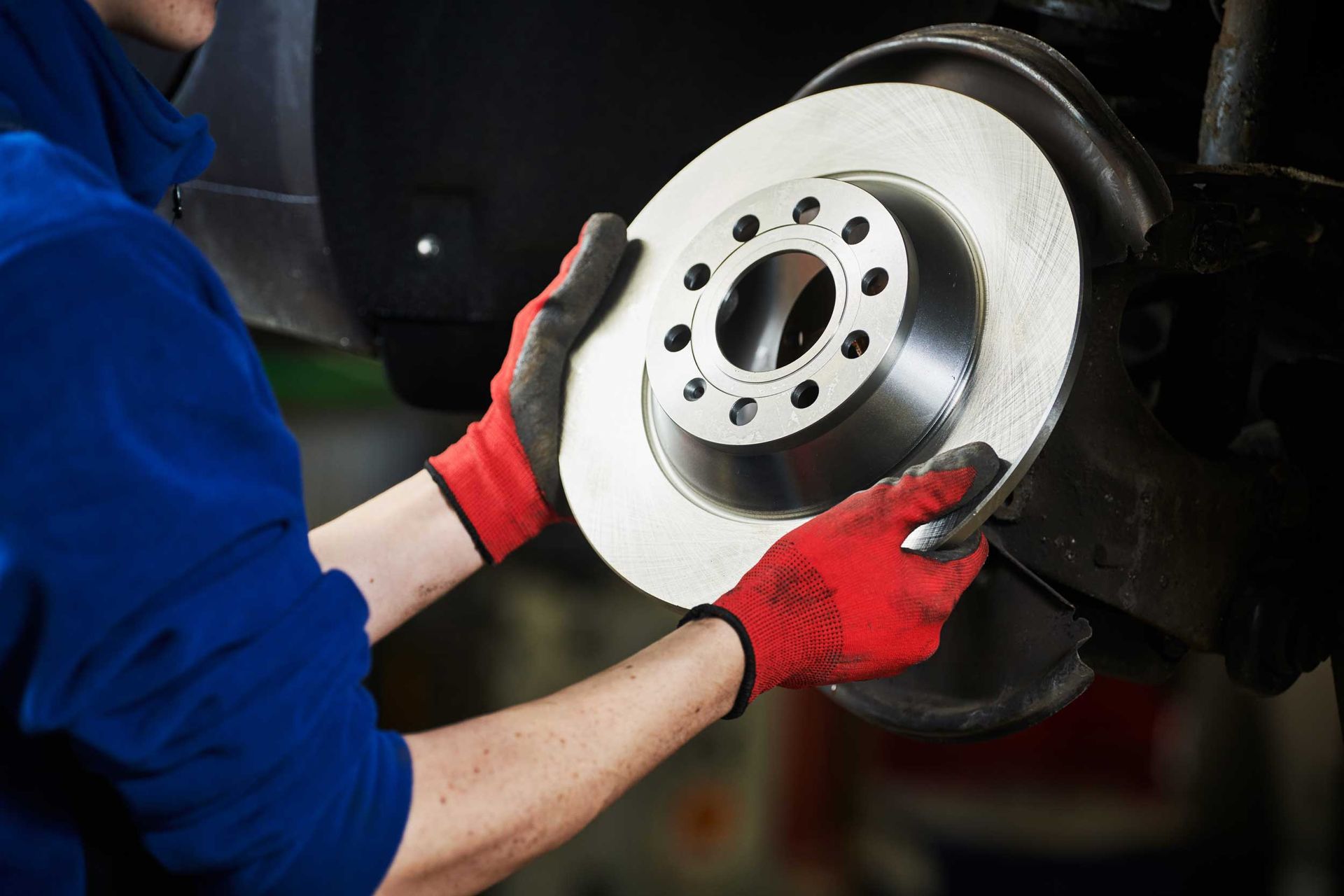
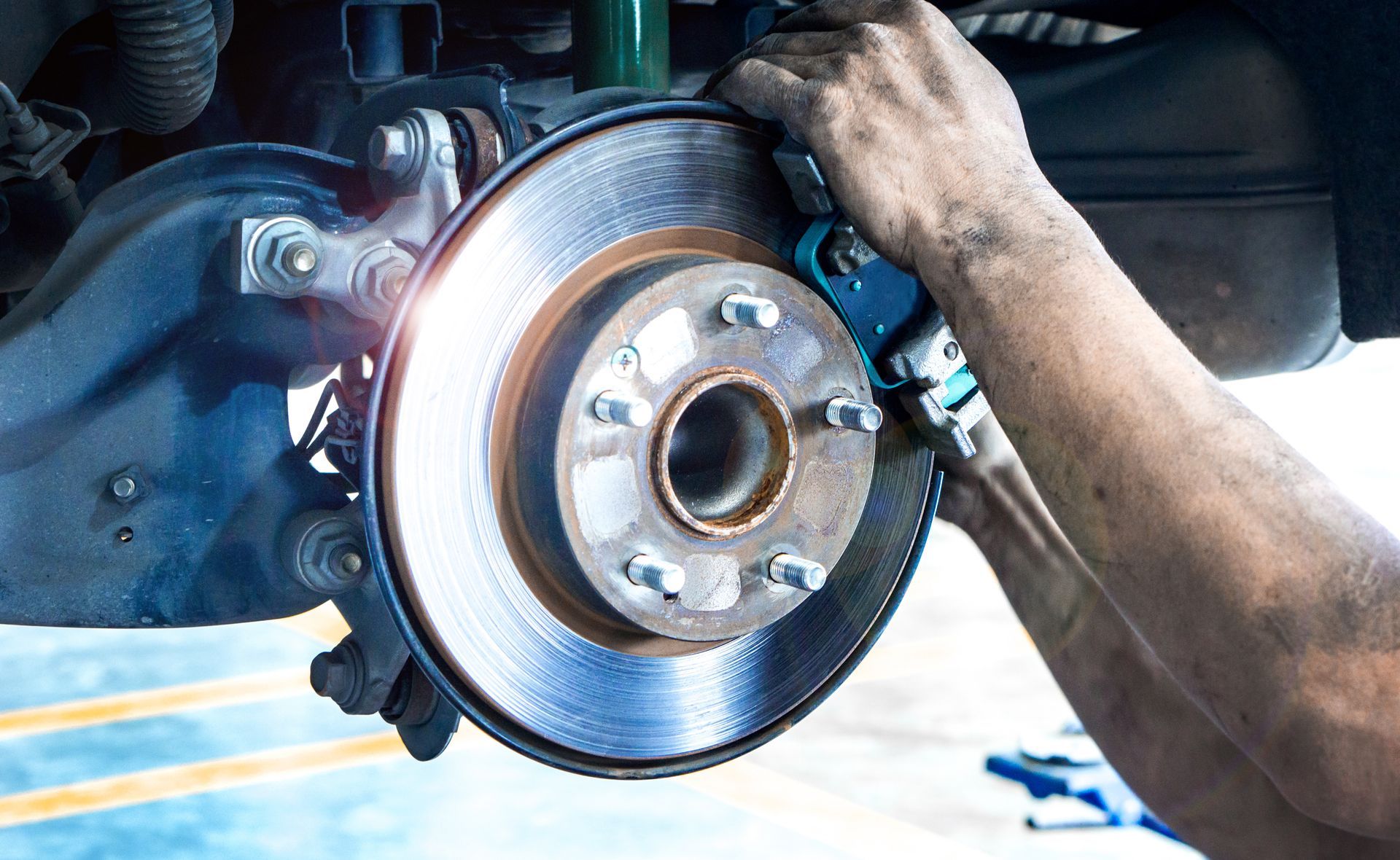
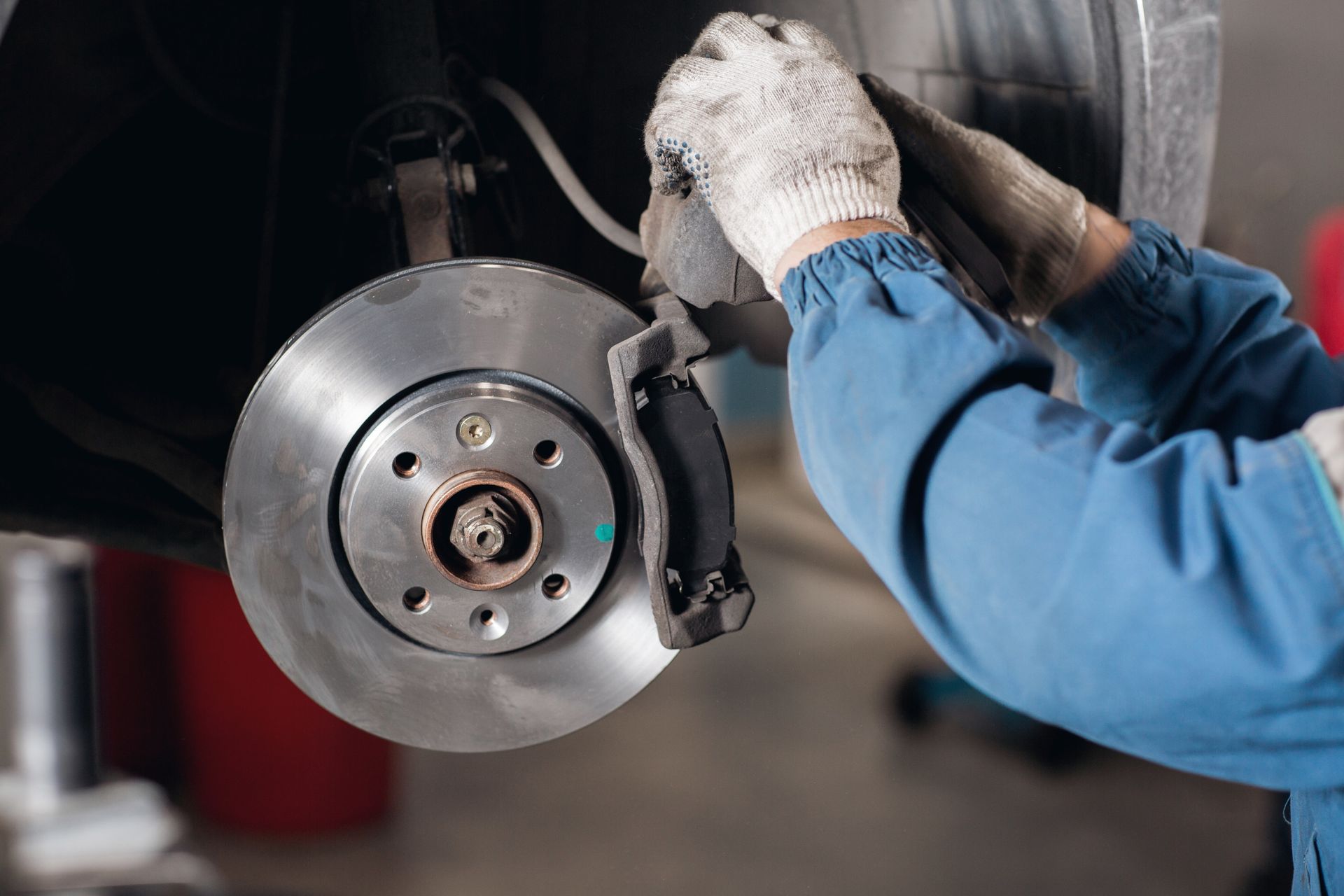
A flush is commonly recommended alongside other brake work. If pads or rotors are being replaced, old fluid can introduce moisture and debris to the newly serviced components. Addressing the fluid at the same visit helps extend the life of the parts being installed.
Is a Brake Fluid Flush Really Necessary?
Yes, a flush is considered necessary maintenance, not an optional upsell. Moisture-laden fluid reduces braking effectiveness and can accelerate internal corrosion in calipers and wheel cylinders. Skipping a flush increases wear on expensive brake system components over time.
How Often Should Brake Fluid Be Changed?
Most manufacturers recommend flushing brake fluid every two to three years regardless of mileage. Vehicles driven in hilly terrain or heavy stop-and-go conditions may benefit from more frequent attention. A technician serving Winter Gardens, CA, can test your fluid in minutes to help you decide.
Make Your Next Brake Repair Visit Count
When you bring your vehicle in for brake repair in Winter Gardens, CA, ask your technician to check fluid condition as part of the inspection. Combining a flush with other brake work can save time and help you avoid an earlier return visit.
Lakeside Radiator & Auto Repair serves the Winter Gardens community with honest, thorough brake service. Schedule your visit by calling
(619) 443-2120,
contacting the shop online, or visiting the
service page to learn more. You can also find the shop and read community reviews at
Lakeside Radiator & Auto Repair.